HomeFrames: the stories we send home
The first images sent home after arriving in Belgium. A new workplace or apartment. A family visit, a walk through an unfamiliar city or a celebration with new friends.
For many internationals, building a life in a new country means finding their place and gradually turning unfamiliar surroundings into home.
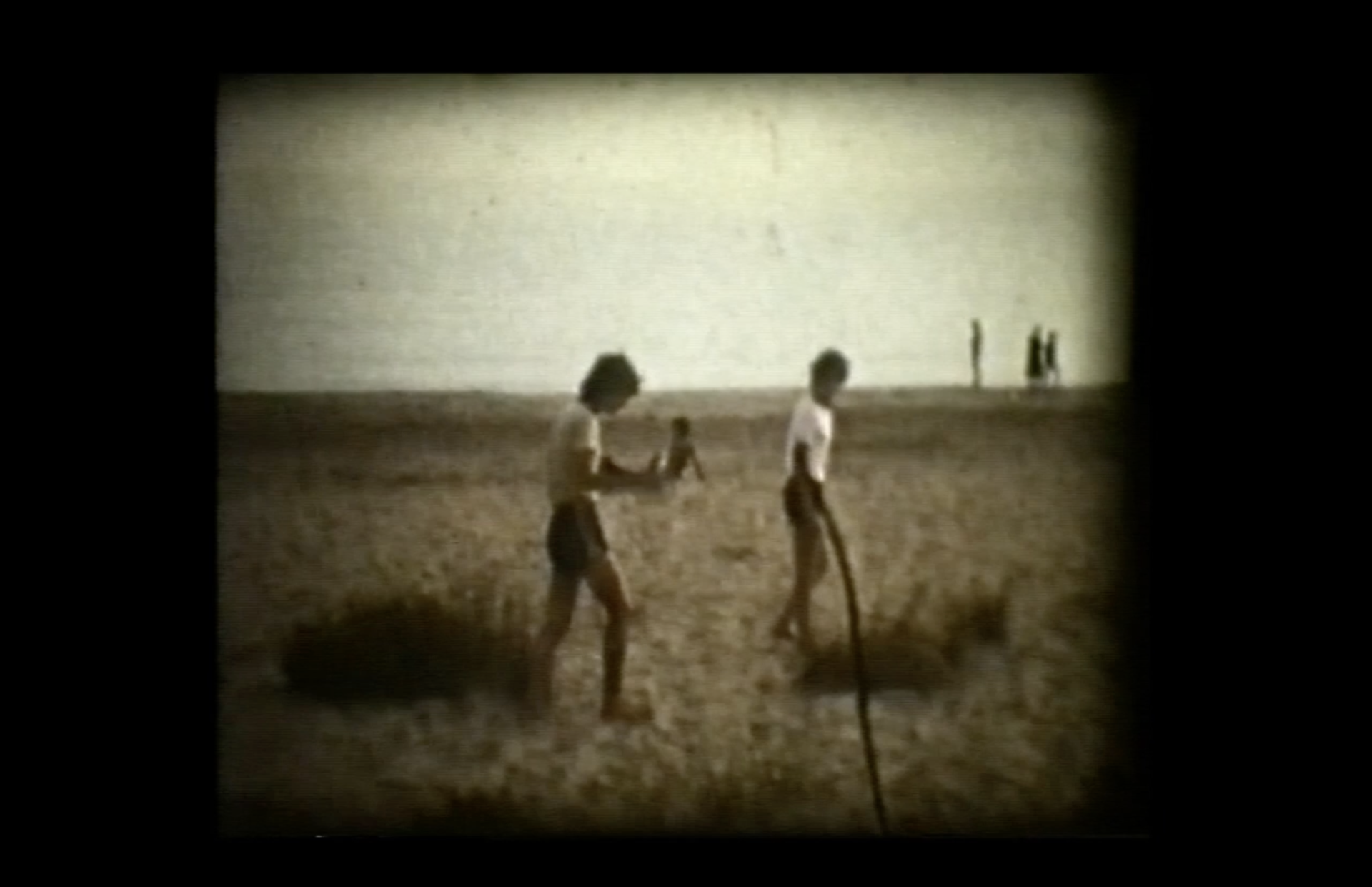
Generations ago, migrants captured similar moments on 8 mm, 16 mm and Super 8 film. What once seemed like ordinary family footage can now reveal how people built new lives in Belgium and how their experiences became part of our shared history.
HomeFrames is a four-year research project funded by the Research Foundation Flanders (FWO). Researchers Lieve Willekens and Maryam K. Hedayat, supervised by Gertjan Willems and Kevin Smets, are searching for amateur films made by people who migrated to Belgium between 1944 and 1974.
This period marks an important chapter in Belgium’s post-war migration history. Filmmaking also became increasingly accessible during these decades, particularly after the introduction of Super 8 in 1965. In 1974, the Belgian government introduced a migration stop, ending the organised recruitment of foreign workers.
Most surviving footage from this period was filmed by Belgian media professionals and institutions. Migrants appeared in front of the camera but rarely shaped the story behind it. HomeFrames wants to uncover their own perspectives on family, work, community, identity and belonging.
The project is specifically looking for original films recorded on 8 mm, 16 mm or Super 8 film. It is not looking for video recordings.
You may not possess this historical material yourself, especially if you recently arrived in Belgium. But perhaps an older family, community association or someone in your wider network does.
By sharing this call, you can help these missing stories find their way into Belgium’s audiovisual heritage. Material can be submitted throughout the project, which runs until 2029.
More information is available at www.homeframes.be.
The way we document a new life has changed. The human need to share it has not.